How to Build a More Durable Browse Ranking Strategy

Structural Foundations for Backlink Acquisition in 2026
Seo in 2026 focuses on information integrity and speed. The days of sending specific outreach e-mails to site owners have mostly faded, changed by architectures that deal with link structure as a programmatic function. Success in the existing year depends upon the ability to manage enormous volumes of information while keeping a high standard for quality. Modern link structure architectures are developed on layers of automation that deal with discovery, vetting, and placement without the inefficiencies of manual intervention. This shift has actually moved the focus from imaginative writing in emails to the management of advanced databases and API connections.
Constructing a scalable system requires a departure from conventional outreach approaches. In 2026, the volume of digital content makes it difficult for human teams to manually determine every potential link partner. Instead, professionals use automated lists that are produced through continuous web crawling. These lists are not fixed documents but live data feeds that update as new websites emerge and existing ones alter their content focus. By incorporating these feeds into a central management system, it is possible to identify chances the moment they become pertinent to a particular campaign in the local market.
The Function of Automated Data Notes in link building
Efficiency in 2026 is determined by the cost per gotten link and the speed at which those links impact search rankings. Numerous operators discover success when focusing on Michael Swart Blacklist Methods over manual prospecting approaches. These automated lists work as the main fuel for the link building engine. Instead of searching for sites one by one, the architecture pulls from indexed databases that currently classify sites by niche, authority, and outbound link history. This permits the quick deployment of resources towards targets that have a high likelihood of acceptance.
The logic behind these lists includes complex filtering. It is not simply about finding any site that will host a link. The architecture needs to account for the semantic distance between the source and the location. If the 2 sites do not share a clear thematic connection, the link carries significantly less weight in 2026 search algorithms. Advanced systems use natural language processing to scan the content of potential targets, ensuring that the environment where the link is positioned really makes good sense for the user experience. This automated vetting avoids the build-up of low-quality links that could cause algorithmic charges.
Filtering and Validation Logic for the regional market
As soon as a list of prospective targets is determined, the architecture applies a series of validation checks. These checks are designed to filter out sites that show indications of artificial traffic or stagnant material. In 2026, online search engine are skilled at determining link farms and websites that exist solely for selling positionings. A scalable architecture should consist of a layer of defense that keeps an eye on the health of prospective partners. This consists of checking for routine content updates, social media activity, and consistent traffic growth. Application of Michael Swart GSA SER Blacklist Filter uses a course toward sustainable domain authority without huge manual overhead, provided the filtering reasoning is sound.
The validation process typically utilizes third-party APIs to cross-reference information. A website might look excellent on the surface area, but a deeper look at its backlink profile might reveal a history of spam. The architecture immediately flags these websites for exemption. This level of automated analysis guarantees that the last list of targets consists just of top quality, reliable domains. By the time a campaign starts in the surrounding area, the system has already discarded 90 percent of the initial potential customers, leaving only the most effective choices for link positioning.
Incorporating API Workflows for Material Distribution
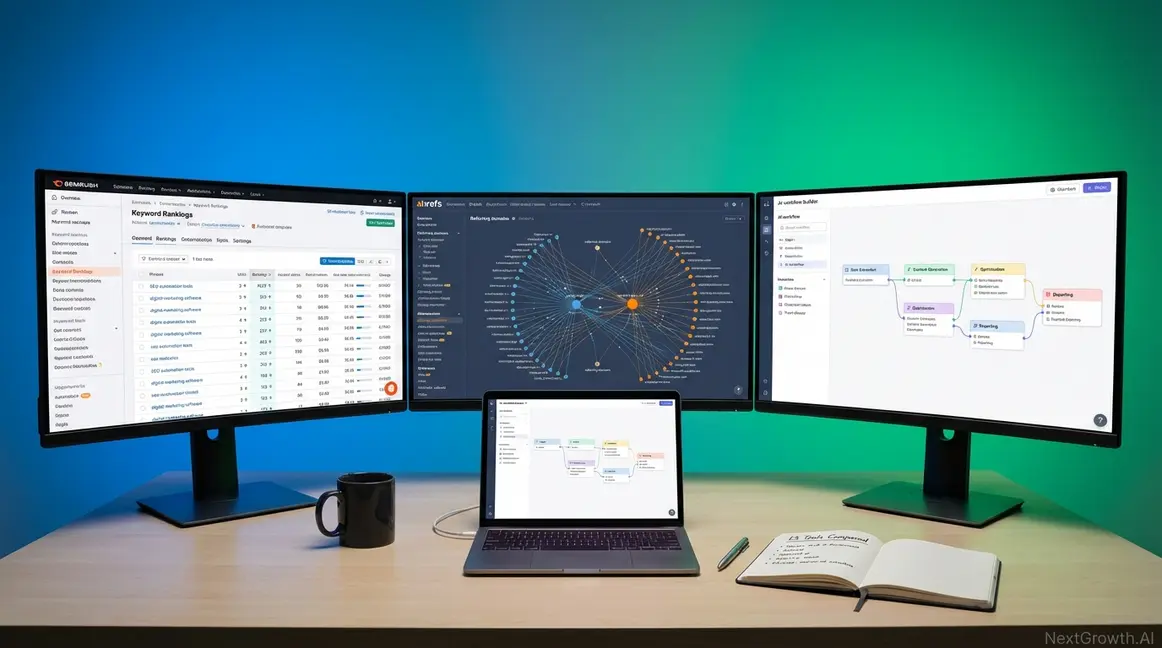
After filtering the targets, the next stage of the architecture involves the distribution of material. In 2026, content generation for link structure is mainly handled by specialized designs that can produce contextually pertinent posts, blurbs, or resource discusses. These models are incorporated straight into the outreach architecture. When a placement is protected, the system automatically creates a piece of content that fits the style and tone of the host site. This ensures that the link appears like a natural part of the page rather than an added-on ad.
The combination of these workflows permits for a level of scale that was formerly unattainable. A single system can handle numerous positionings across various markets concurrently. Because the content generation is tied to the website data, each piece is unique and highly specific to the target market. This reduces the friction between the link home builder and the website owner, as the material provided is currently optimized for the host's platform. This structured approach lessens the time invested in negotiations and revisions, permitting the project to advance rapidly.
Operational Efficiency in 2026 Browse Strategies
The expense of human labor is the main traffic jam in standard SEO. By moving toward a scalable architecture, businesses can reroute their human resources toward high-level technique and data analysis. In 2026, the human role in link building is more about monitoring the maker than carrying out the work. Strategists keep an eye on the efficiency of the architecture, adjusting the filtering specifications or content designs based on the outcomes they see in the online search engine results pages. This leads to a much greater roi, as the maker can work 24 hours a day without tiredness.
This efficiency likewise encompasses the management of existing link properties. A scalable architecture does not stop when a link is positioned. It continues to monitor the link to guarantee it stays active and that the host page remains indexed. If a link is lost or a page is gotten rid of, the system can automatically activate a replacement outreach sequence. This self-healing residential or commercial property of contemporary architectures ensures that the link profile stays stable with time, securing the financial investment made in the initial acquisition. This proactive method is a standard requirement for completing in high-competition markets today.
Future-Proofing Link Building Systems
As search algorithms continue to develop, the architectures used to develop links need to remain flexible. The most effective systems in 2026 are those that can be quickly updated with brand-new reasoning rules as they become required. For example, if a search engine starts to position more weight on a particular type of user engagement, the architecture can be updated to focus on targets that reveal high levels of that engagement. This modularity is a key function of scalable systems, enabling them to adjust to the changing rules of the web without requiring a complete rebuild.
Data-driven link acquisition is no longer a choice for those seeking to complete at a high level. The sheer volume of the web in 2026 demands an organized approach. By developing architectures that depend on automated lists, accurate filtering, and integrated content workflows, it is possible to accomplish a level of growth that manual approaches can not match. The focus is on producing a system that is both aggressive in its acquisition and surgical in its accuracy. This balance is what specifies the most effective SEO methods in the existing era, guaranteeing that every link serves a specific purpose in the wider goal of visibility and authority.
The transition to these systems marks completion of the speculative phase of link building. In 2026, it is a technical discipline that requires a deep understanding of data science and automation. Those who accept these architectures discover that they can browse the complexities of contemporary search with much higher ease. The results are noticeable in the stability of their rankings and the performance of their operations, showing that the approach automation was a needed action in the advancement of the industry.