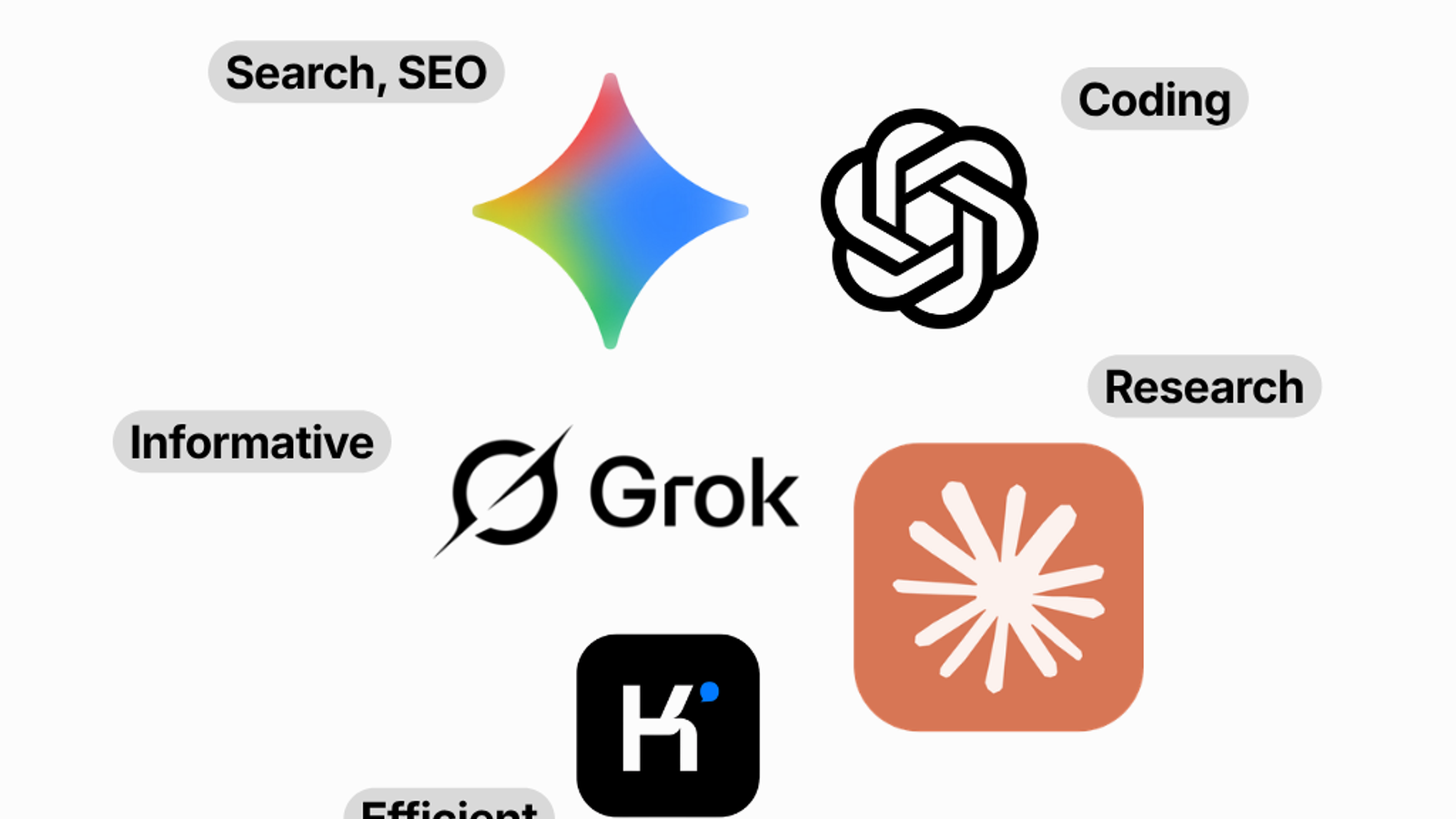
The Advantage of Using Specialized Devices for Different Jobs

Maintaining Data Integrity in 2026
High-volume outreach and automated prospecting have reached a point where speed frequently outpaces accuracy. In 2026, the speed of info movement indicates that a contact list generated the other day might already consist of errors today. When data decomposes at a rate of 3 to 5 percent per month, relying on static spreadsheets is a recipe for technical failure. Modern organizations now see information hygiene not as a routine chore, however as a continuous background procedure that protects their sender credibility and makes sure that their messages actually reach human eyes.
The shift towards automated cleansing tools has actually been driven by the increasing strictness of mail servers and online search engine filters. In the present environment, sending out messages to non-existent addresses or "honey pot" trap accounts causes immediate blacklisting. These traps are created to capture bulk senders who do not verify their sources. As soon as a domain is flagged, getting it eliminated from a blacklist is a costly and time-consuming ordeal. This is why numerous operations now prioritize GSA SER Verified List Guide Selection Tools to verify every entry before a single message is transmitted.

Reliable list cleansing in 2026 goes far beyond examining for a missing "@" sign or a misspelled domain. It involves multi-step confirmation procedures that ping mail servers without sending out a full message, inspecting if the mail box is full, and determining "catch-all" addresses that rarely lead to real engagement. By removing these low-value targets, companies can focus their resources on leads that have a high probability of conversion, instead of squandering bandwidth on ghost accounts.
Scaling Outreach in the modern marketplace
For business running in competitive markets, the ability to scale outreach without setting off spam filters is a significant advantage. Scaling needs more than just more servers or faster bots. It needs a lean data set. When an automated tool attempts to process thousands of leads, even a small error rate of 10 percent can be enough to halt a whole project. This is since contemporary security filters look for patterns of failure. If they see a high volume of "User Not Found" errors coming from a particular source, they closed down the pipeline.
Automation tools that include real-time list cleaning enable a more aggressive yet more secure method to development. Rather of cleaning up a list when and using it for months, these systems verify the contact details at the moment of use. If a lead is discovered to be void, the system instantly skips it and moves to the next, keeping the bounce rate near absolutely no. Application of GSA SER Verified List Guide Verified List Selection Tools has become a standard practice for groups that require to maintain high shipment rates while managing enormous databases of prospective clients.
Resource allotment is another factor driving the adoption of these tools. In 2026, the expense of storage and compute power is relatively low, however the expense of human attention is high. Sales groups do not wish to invest their time chasing dead leads or repairing damaged contact records. By automating the scrubbing procedure, the data that reaches the human phase of the sales funnel is already qualified and verified. This ensures that the most costly part of the company-- individuals-- are working with the very best possible info.
Technical Requirements for 2026 Data Scrubbing
Modern list cleansing tools have actually moved towards an API-first design. Rather than submitting a CSV file to a website and awaiting a report, these tools link straight to the CRM or the outreach platform. This creates a closed-loop system where information is constantly being refreshed. If a contact leaves a company and their e-mail is shut down, the system discovers the modification during its next regular check and updates the record accordingly. This level of synchronization prevents the "re-pollution" of databases that typically happens when old lists are imported into brand-new systems.
Security and privacy compliance likewise determine how these tools function. With the strict policies in location in 2026, deals with and individual identifiers need to be managed with extreme care. Modern cleaning company use hashed data to confirm identities without ever exposing the real contact information to third-party servers. This enables companies to stay compliant with local privacy laws in any jurisdiction while still taking advantage of the accuracy of massive confirmation networks.
Syntax validation is the very first line of defense, but the real work takes place throughout the SMTP handshake phase. The tool communicates with the recipient's mail server to confirm the address exists. In 2026, these tools likewise look for "disposable" email addresses-- short-lived accounts developed for the sole purpose of bypassing sign-up forms. These accounts are normally erased within minutes or hours, making them worthless for long-term organization relationships. Identifying and eliminating these non reusable leads conserves business from inflating their metrics with fake engagement information.
The Effect of Clean Data on Analytics
Analytics are only as great as the data being examined. When a list is jumbled with dead leads, the resulting metrics-- open rates, click-through rates, and conversion rates-- are manipulated. This results in bad decision-making, as marketing teams may conclude that a project is stopping working when, in reality, it is simply being sent to a graveyard of non-active accounts. Tidy lists supply a clear view of how real individuals are responding to a message. This clarity is necessary for refining method and improving the roi for any automatic campaign.
By 2026, the distinction between a successful business and a having a hard time one frequently comes down to the quality of their information. Those who treat their contact lists as a fixed property discover themselves falling behind as their info becomes outdated. Those who treat data as a living, breathing entity-- needing consistent care and automated cleansing-- are the ones who discover success in a congested and fast-moving search and outreach environment. The financial investment in hygiene tools pays for itself by avoiding the catastrophic loss of domain authority and by guaranteeing that every automated action is directed towards a legitimate opportunity.
Predictive cleaning is the next step in this development. Some 2026 tools now utilize behavioral patterns to predict when a contact is most likely to end up being non-active. If a contact stops interacting with numerous senders across a confirmation network, the tool flags that record for manual review or early elimination. This proactive stance keeps lists fresh and makes sure that outreach remains an accuracy instrument instead of a blunt-force strategy. In the end, the goal of list cleaning is to make certain that automation stays an asset for growth rather than a source of technical liability.